Jak leczyć złamanie u dziecka?
Zostaw wiadomość
Jak leczyć złamanie u dziecka?
When a child complains of pain to a parent, the parent can't think that it's okay because they can walk on their own, or that there is no fracture because the joint can move. Children's fracture can't be judged by this. If the child feels pain when you touch it, or if the child cannot put his weight on a certain place, these symptoms should indicate that the child has a fracture somewhere on the body and should be taken to the hospital immediately. Babies especially need attention because when a fracture occurs, there may be little swelling in them, and they may not complain to you about pain in the area of the fracture.
Większość złamań u dzieci jest spowodowana upadkami lub upadkami. Złamania kończyn górnych w okolicy łokcia i przedramienia stanowią około połowę wszystkich złamań u dzieci, a następnie złamania obojczyka i łydki. Rosnące kości są elastyczne i istnieją złamania specyficzne dla dzieci-, takie jak złamania nad głową pnia i złamania młodych drzew oraz złamania okołostawowe nasad kości (rozszczepienie chrząstki nasadowej), w których występuje mechanicznie delikatna rosnąca chrząstka.
Złamania u dzieci mogą być spowodowane różnymi przyczynami, dlatego ważne jest postawienie prawidłowej diagnozy na podstawie cech złamań u dzieci. Każda błędna diagnoza doprowadzi do niewłaściwego leczenia z poważnymi negatywnymi konsekwencjami dla pacjenta. Obszar bólu jest przewidywany przez dokładną kontrolę i obserwację, wykonuje się minimalne badanie dotykowe, potwierdza się miejsce złamania i wykonuje się zdjęcia rentgenowskie w celu potwierdzenia diagnozy. Należy jednak zauważyć, że klisza RTG wykonana bezpośrednio po urazie nie może potwierdzić złamania, występuje ostre odkształcenie plastyczne, linia złamania nie pojawia się w zgięciu, złamaniu może również towarzyszyć zwichnięcie stawów. Ponieważ chrząstka nasadowa lub złamania śród-stawowe są trudne do zdiagnozowania, konieczne jest wykonanie zdjęć nie tylko strony z podejrzeniem złamania, ale również strony zdrowej lub zaklejenie ich plastrem i wykonanie regularnego X{ {3}}obserwacje promieniowe przed postawieniem diagnozy.
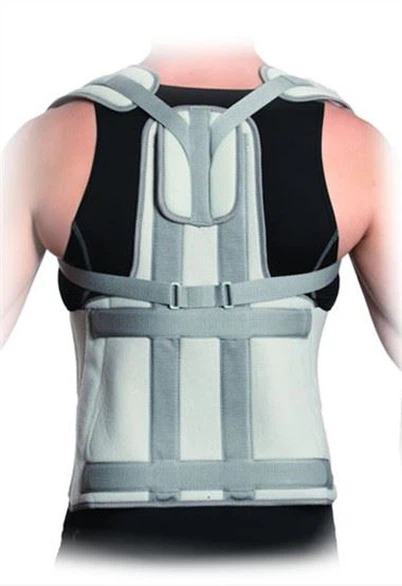
The treatment methods for children's fractures include conservative treatment and surgical treatment, and the treatment method is mainly selected according to the X-ray findings. Since self-correction is possible with all but periarticular fractures, it is usually treated conservatively with manual reduction. Make sure there is no vascular or nerve damage, and use a cast, splint, drape, or other external medical orthopaedic brace for immobilization. Because bones heal easily during the growing period, they will stabilize in about 1 to 2 months. If the deformity or fracture separation persists after reduction, there is no cause for concern if the condition is mild. High self-correction is a characteristic of fractures in children. For fractures around unstable joints and for larger dislocations, hospitalization with continuous traction or percutaneous puncture may be performed.